How Small Businesses Use Lead Generation to Find Customers
By Primowork Team | Updated June 2026
Many people think businesses fail because they have poor products or services.
While that can happen, the reality is often much simpler.
Many businesses struggle because potential customers never discover them.
A local plumber may provide excellent service. A web designer may create amazing websites. A bakery may produce incredible products.
But if nobody knows they exist, growth becomes difficult.
This is where lead generation becomes important.
Lead generation helps businesses connect with people who may be interested in what they offer.
For small businesses, it can mean the difference between struggling for customers and building a steady stream of opportunities.
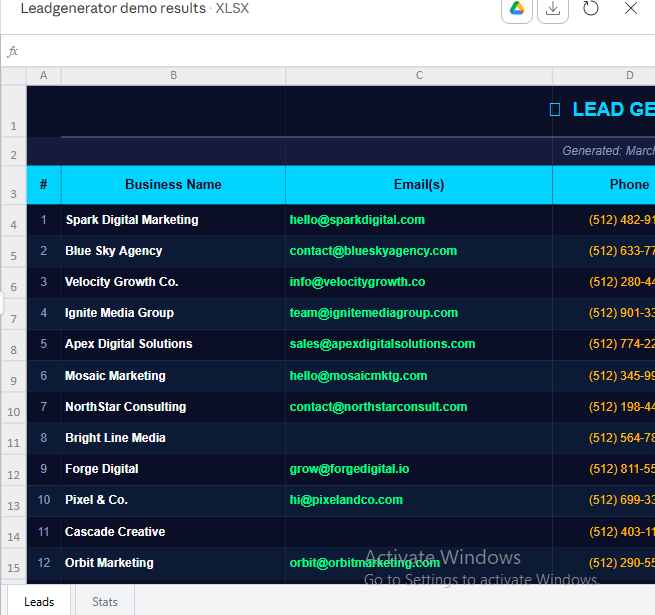
What Is Lead Generation?
Lead generation is the process of attracting and identifying potential customers.
A lead is simply someone who has shown interest in a product or service.
For example:
- A visitor who fills out a contact form.
- A person who requests a quote.
- A business owner who asks for information.
- A customer who joins an email list.
Not every lead becomes a customer.
However, businesses need leads because leads create opportunities for sales and growth.
Why Small Businesses Need Lead Generation
Large companies often have marketing departments and large advertising budgets.
Small businesses rarely have those advantages.
Many business owners are busy serving customers, managing operations, and handling day-to-day responsibilities.
They don't always have time to consistently find new customers.
Lead generation helps solve this problem.
- Creates awareness.
- Builds customer pipelines.
- Supports business growth.
- Reduces dependence on referrals.
- Creates predictable opportunities.
Common Lead Generation Methods
1. Search Engine Optimization (SEO)
When people search online for solutions, businesses want to appear in those search results.
SEO helps websites attract visitors who are actively looking for products and services.
2. Content Marketing
Helpful articles, guides, videos, and resources can attract potential customers over time.
Businesses that educate their audience often build trust before a sale ever happens.
3. Email Marketing
Email remains one of the most effective ways to stay connected with potential customers.
Businesses can provide useful information while building relationships over time.
4. Social Media Marketing
Social media allows businesses to reach new audiences, share expertise, and engage directly with potential customers.
5. Direct Outreach
Some businesses use targeted outreach to introduce their services to potential customers who may benefit from them.
Why Lead Generation Is a Valuable Online Skill
Businesses will always need customers.
As a result, people who understand lead generation often have opportunities in freelancing, consulting, marketing, sales support, and business development.
The skill combines research, communication, organization, and problem-solving.
Unlike many online trends, lead generation solves a permanent business problem.
How Beginners Can Start Learning Lead Generation
- Learn online research skills.
- Practice using spreadsheets.
- Study business websites.
- Learn basic SEO.
- Understand customer needs.
- Practice organizing information.
The good news is that many of these skills can be learned for free using online resources.
Frequently Asked Questions
❓ What is a lead?
A lead is a person or business that has shown interest in a product or service.
❓ Do small businesses really need lead generation?
Yes. Consistent customer acquisition is one of the biggest challenges most small businesses face.
❓ Is lead generation difficult to learn?
It takes practice, but beginners can learn the fundamentals through research, organization, and marketing basics.
❓ Can lead generation be done remotely?
Yes. Many lead generation activities can be performed online from anywhere.
❓ Why is lead generation important?
Without potential customers, even great businesses struggle to grow.
Final Thoughts
Businesses need customers.
Customers need solutions.
Lead generation helps connect the two.
That's why it remains one of the most valuable skills in business today.
Whether you're a business owner looking for growth or someone interested in developing a useful online skill, understanding lead generation can open many opportunities.
✨ Bottom Line:
Businesses grow when they consistently connect with the right people. Lead generation makes those connections possible.
- Primowork Team